The Rim: The Gatekeeper of Aroma
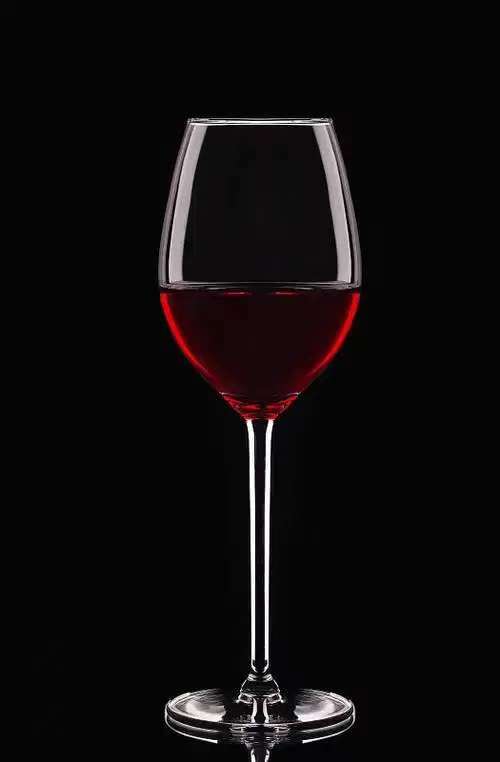
The rim diameter determines how the wine hits the palate. A narrow rim—common in glasses designed for aromatic whites like Riesling or Sauvignon Blanc—directs the wine to the center of the tongue, emphasizing acidity and fruit. A wider rim, typical in Bordeaux-style glassware, allows the wine to spread across the tongue, softening the tannins and highlighting the body. For commercial buyers, this means a single shape rarely fits all varietals. A thoughtful procurement strategy accounts for glassware that matches the wine list, not just the budget.
The Bowl: Where Flavor Unfolds
Bowl volume determines how much air the wine interacts with during swirling. A larger bowl with more surface area allows volatile compounds to evaporate at a pace that releases complex aromatics. For a full-bodied red, the interplay of oxygen and surface area transforms the wine from tight to expressive. A smaller bowl keeps delicate aromas concentrated, preventing them from dispersing too quickly.
When Art Meets Engineering
Where precision matters most is in premium vessels like a quartz red wine glass. The quartz in the glass composition enhances clarity and contributes to a thinner rim for a precise sip. The weight and balance of a handmade crystal cup are deliberate. These high-end vessels typically feature bowls designed to let the wine breathe at a controlled rate—the thinner walls do not insulate the wine from temperature changes, allowing it to reach optimal serving temperature faster.
The Procurement Perspective
For buyers, the evaluation process for wine glasses should go beyond aesthetics. Documented tasting tests and service durability are just as important. Some premium glassware now carries certification for product safety standards, assuring quality and longevity. When sourcing for hotels or restaurants, it is also worth cross-checking replacement availability. A supplier that offers a consistent replacement program saves you from mismatched sets after a few inevitable breakages.