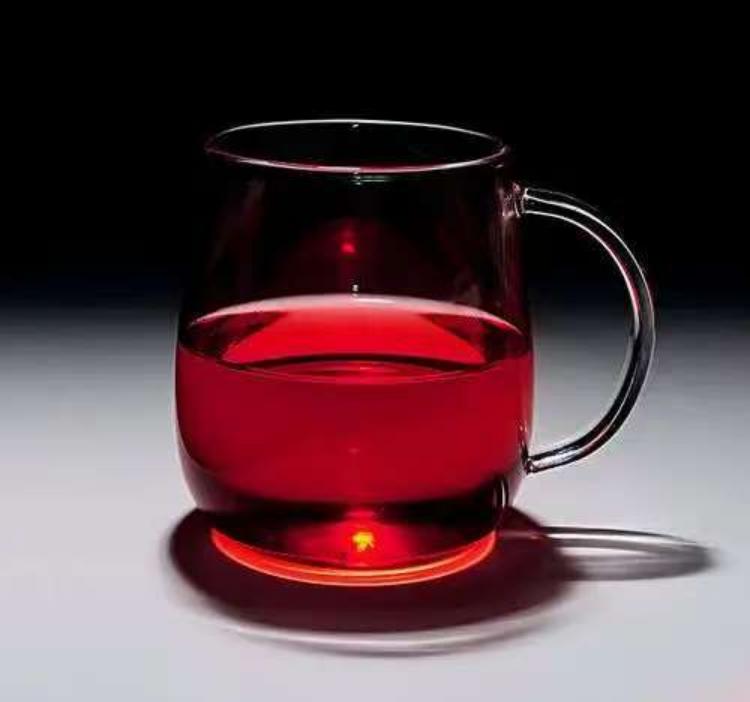
The glassware and crystalware market was valued at USD 11 billion in 2025 and is projected to reach USD 17 billion by 2034, growing at a compound annual growth rate of 4.9%. Within this expanding universe, one segment is quietly rewriting the rules of how we drink, entertain, and live: the handmade crystal cup.
It is no longer just a vessel. It is a ritual object, a conversation starter, and in many cases, a small piece of art that happens to hold liquid.
The Rise of the Everyday Ritual
For centuries, fine crystal was reserved for special occasions—weddings, anniversaries, the annual holiday toast. The rest of the year, most people drank from whatever was cheap and unbreakable. That binary is collapsing.
What is emerging instead is a new category of drinkingware designed for both everyday rituals and standout moments. The same hand-blown crystal glass that graces a Michelin-starred table is now finding its way into the home bar, the weekend dinner party, and even the solitary evening pour of whisky. Consumers are no longer waiting for a special occasion to drink from something beautiful. They are making the act of drinking itself the occasion.
This shift is reflected in the numbers. The global crystal barware market was valued at USD 2.1 billion in 2025 and is projected to grow to USD 3.3 billion by 2035. The crystal tableware market, valued at approximately USD 6.5 billion in 2025, is expected to reach about USD 9.1 billion by 2030. The luxury crystal ware market alone reached USD 6 billion in 2026 and is anticipated to grow to USD 9.47 billion by 2035. These are not recession-proof numbers; they are lifestyle-driven numbers.
The Glass That Knows What You Are Drinking
Not all handmade crystal cups are created equal, and the industry has become remarkably sophisticated in matching form to function. This is where the distinction between the general handmade cup and its specialized cousins—wine glasses and champagne glasses—becomes critical.
Take the wine glass. The modern handmade wine glass is the product of decades of sensory research. Thin, lead-free crystal walls allow the wine to reach the exact temperature of the drinker's hand. The shape of the bowl directs the wine to specific parts of the palate. The rim, often laser-cut, determines how the wine flows across the tongue. These are not aesthetic flourishes; they are functional decisions made by craftspeople who understand that a great wine deserves a great delivery system.
Květná 1794, one of the oldest Czech glass manufacturers, has taken this precision to an international stage. The company, founded by Prince Alois I of Liechtenstein, specializes in the precise handmade production and decoration of high-quality crystal glass. It is known for offering the widest range of 16 shades of coloured glass in Europe and for its unique thin-walled glass with exceptional durability, achieved through the addition of titanium. In February 2025, Květná signed an agreement to supply the Czech National Pavilion at EXPO 2025 in Osaka with an exclusive collection of hand-blown crystal drinkware. More than a thousand exclusive glasses from the Euporie and Telesto collections will be used in the pavilion's restaurant and bar. The Telesto collection was developed specifically in collaboration with wine experts and includes premium glassware sets designed for serving white, red, and sparkling wines. These are not cups that happen to hold wine; they are cups engineered for wine.
Then there is the champagne glass. The handmade champagne flute is a study in contradiction—delicate yet durable, traditional yet modern. Moser, the legendary Czech crystal house, produces champagne glasses using traditional glassmaking techniques recorded on the UNESCO List of Intangible Cultural Heritage. Each piece is hand-blown and hand-cut, requiring dozens of artisans from cast-makers and colourists to the blowers who shape the molten material on the pipe. The result is a glass that does more than hold bubbles; it preserves them, directs them, and presents them in a way that machine-made glass cannot replicate.
The Chinese Renaissance
While Europe has long been the spiritual home of fine crystal, a significant shift is underway in China. The county of Wenxi in Shanxi province now accounts for 40% of the world's artisanal glass-blowing capacity. It is home to 204 production and processing enterprises, with an annual production capacity of 300,000 tons and sales revenue exceeding RMB 2.6 billion.
Hongwei Glass, one of Wenxi's largest producers, employs over 700 people, including more than 200 master blowers. The company has supplied IKEA for more than 20 years and Starbucks for eight years, shipping 2 million double-walled cups to IKEA annually. Its 2025 sales are projected to reach RMB 200 million. "The texture and shape of hand-blown glass is something machines can never replace," says Chai Jiande, deputy general manager of Hongwei Glass.
At the premium end of the spectrum is Shanxi Jingzun Crystal Technology. The company produces the "Kailuoshi" brand of lead-free crystal cups, entirely handmade, with walls as thin as 0.8 millimeters at their thinnest point. The cups meet the IWA 43:2023 international crystal glass standard and have been called "the Rolls-Royce of crystal cups". The company reduced daily production from 1,500 pieces to just 300—a deliberate trade-off of volume for quality. The value of each cup is dozens of times higher than conventional glassware. In 2024, Jingzun achieved RMB 15 million in domestic and international sales.
From Vessel to Ritual
What unites these disparate examples—the Czech masterworks, the Chinese artisanal hubs, the engineering of wine and champagne glasses—is a fundamental redefinition of what a drinking cup is for.
A handmade crystal cup is no longer a tool for transporting liquid from container to mouth. It is a deliberate choice about how one wants to experience a beverage, a meal, a conversation, or an evening alone. The glass itself becomes part of the ritual: the weight of it in the hand, the way light catches the thin walls, the resonance when it is set down on a table.
The market understands this. Handcrafted and artisanal glassware is gaining popularity as consumers seek unique, culturally rooted, and personalized pieces that reflect craftsmanship and artistic value. The underlying demand is shifting from occasion-driven replacement purchasing toward a more intentional, lifestyle-oriented acquisition pattern—particularly among affluent millennial and Gen X consumers.
That is why the handmade crystal cup is not just surviving in an age of mass production. It is thriving. Because no machine can blow a glass that feels like it was made for your hand. And no algorithm can replicate the moment when a properly engineered champagne flute delivers its first perfect bubble to the tip of your tongue.
The cup is no longer the container. The cup is the ceremony.