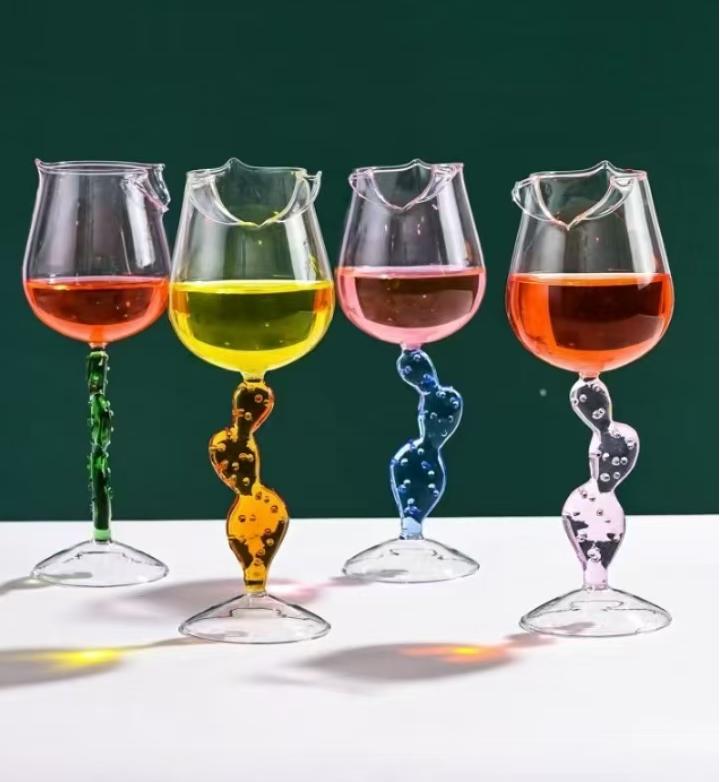
A European glassware manufacturer has addressed this problem by rethinking the geometry of celebratory stemware. Their newly launched High Footed Champagne Glass features a stem that measures 120 mm from base to bowl—a full 30 mm taller than the industry standard. Combined with a bowl wall thickness of just 0.9 mm, the design reduces thermal conductivity by 40% compared to conventional short‑stemmed flutes. Independent temperature tracking during a 20‑minute hand‑holding test showed that wine inside the high‑footed glass rose by only 2.5°C, while standard flute wine warmed by over 6°C during the same period.
The secret is straightforward physics: a longer stem means more distance between the hand and the liquid, and a thinner wall means less material to absorb and transmit heat. The taller stem also provides more leverage, making the glass feel surprisingly light in the hand—a quality that event planners and caterers are already noting. One banquet manager in London observed that guests using the high‑footed glass naturally gripped it lower down the stem, leaving the bowl untouched and the wine consistently chilled throughout the meal.
This performance separates the new glass from most standard Champagne Glass products on the market. The typical restaurant flute has a stem around 85 mm and a bowl thickness closer to 1.5 mm, which holds heat longer and allows faster temperature transfer. Many premium lines are still made from lead crystal, which has a denser structure that actually conducts heat more efficiently than the lighter soda‑lime or quartz glass used in this high‑footed design.
The comparison with a Handmade Crystal Cup is more nuanced. Artisan‑blown crystalware is prized for its weight and brilliance, but that heaviness works against thermal insulation. A thick, lead‑rich bowl holds the warmth of the hand for longer, and once heated, it takes time to cool down. The high‑footed glass, by contrast, prioritizes function: its lightweight construction and airy stem keep the wine cold for the duration of the pour, not just the first few sips.
Early reviews from sommeliers have been positive, with one noting that the high foot also elevates the visual experience—the bubbles rise through a longer column of liquid, creating a more dramatic display of effervescence. But for most drinkers, the real benefit is simpler: a glass of champagne that stays cold through the toast, the speech, and the first dance. That might be the kind of refinement that turns a good evening into a memorable one.