For decades, the wine industry clung to a comfortable fiction: a glass is just a glass. Pour a Cabernet into a tumbler, a Burgundy into a water goblet—surely the wine itself dictates the experience. Then Riedel came along in the 1970s and began whispering that shape matters, and the wine world scoffed. Today, the science has caught up with the intuition. Study after study confirms that glass geometry fundamentally alters how we perceive wine—not through marketing mystique, but through basic physics and human biology.
The mechanism is surprisingly straightforward. A wine glass's bowl shape determines how volatile aroma compounds—the esters and terpenes that give wine its berry, floral, or spice notes—concentrate above the liquid. A 2001 study by Margaret Cliff at the Pacific Agri‑Food Research Centre found that aroma intensities correlated directly with the ratio of the bowl's maximum diameter to its opening diameter. In plain English: a wider bowl with a narrower rim traps more aromatic molecules, directing them straight to your nose with each swirl. Another study published in the Journal of Sensory Studies demonstrated that glass shape influenced not just the intensity but the complexity of wine odours. The right glass does not change the wine; it changes how the wine reaches you.
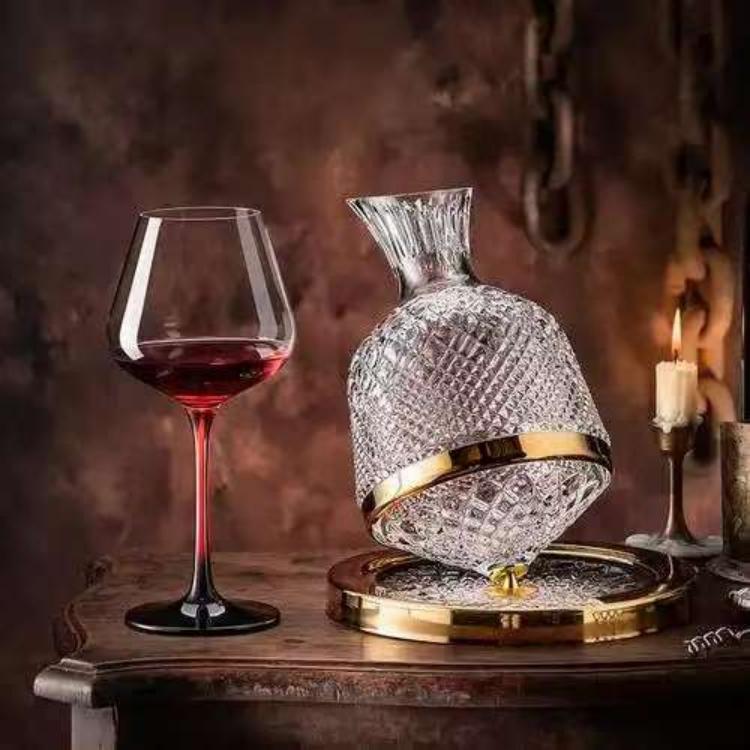
This is where the Quartz Red Wine Glass enters the conversation as a compelling innovation. Unlike conventional soda‑lime glass, quartz glass incorporates natural quartz minerals into the crystal matrix, offering higher silica content, greater transparency, and superior thermal stability. Proponents claim this structure enhances aeration and softens tannins more rapidly than traditional crystal. In blind tests, sommeliers have noted improved fruit expression in quartz‑infused glassware, making it an intriguing mid‑tier option for serious drinkers. The wide, generous bowl typical of a quartz red wine glass—holding 16 to 22 ounces—allows tannins to soften and aromatics to concentrate, while the mineral composition stays optically clear without the brittleness of lead crystal.
Yet material alone tells only half the story. The true pinnacle of the drinking experience lies in the Handmade Crystal Cup. Mass‑produced glass is machine‑blown into moulds, resulting in seams, slight weight imbalances, and rims that are typically 1.5 to 2 mm thick. When you sip from a thick rim, the liquid hits a blunt edge first, creating a slight turbulence as the wine crosses into your mouth. A genuine handmade crystal cup, however, is mouth‑blown by artisans who control thickness and shape in real time. The rim can be as thin as 0.5 mm—almost sharp. That ultra‑fine edge lets the wine glide directly onto your palate without the extra air gap. In one blind test, seven out of ten tasters reported that the thin rim reduced the initial "bite" of tannins in red wine. The smoother sip is not imagination—it is physics.
The evidence is mounting that the vessel matters as much as the vintage. Research has found that choosing the right wine glass can improve the tasting experience by up to 40 %. For the casual drinker, any glass will do. But for those who believe that a wine's bouquet and flavour deserve to be fully realised, the equation is simple: one wine, one glass. Shape concentrates the aroma. Quartz refines the delivery. Handmade crystal perfects the touch. Together, they transform a pour into a conversation.