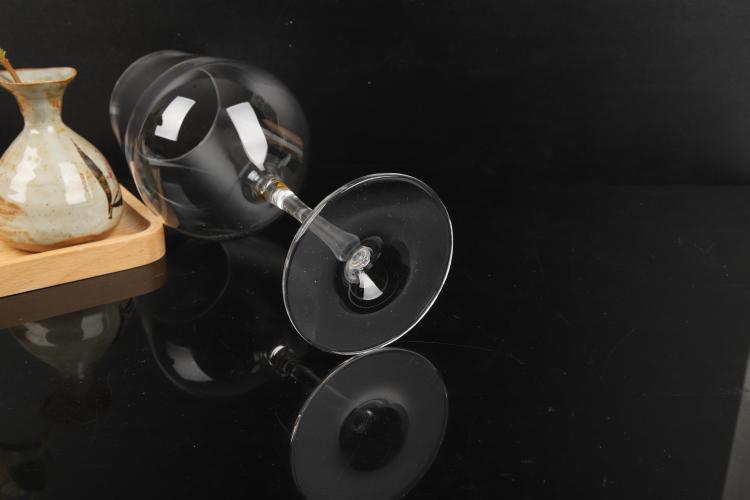
The commercial hospitality sector has long faced a frustrating trade-off: serve wine in elegant, thin-rimmed glassware that enhances the tasting experience, or accept heavier, more durable pieces that survive the daily rigors of professional dishwashers. A new generation of quartz red wine glass is eliminating that compromise.
The Wine Glasses & Decanters Market was valued at USD 4.98 billion in 2025 and is projected to reach USD 10.46 billion by 2032, growing at a CAGR of 11.18%. Within this expanding landscape, quartz-based glassware is capturing outsized attention—not for its appearance alone, but for its demonstrated ability to withstand commercial environments.
The numbers are telling. Products made from fused quartz—mined from natural deposits and formed into lead-free crystal—are now tested to survive over 1,000 dishwasher cycles without degradation. Some manufacturers report durability up to 1,500 cycles. Unlike traditional glass that clouds, etches, or develops micro-cracks under repeated high-temperature washing, quartz red wine glass maintains optical clarity and structural integrity through thousands of cycles. The material offers a Mohs hardness of 7, resists chipping and scratching, and has been drop-tested to ANSI/BIFMA standards.
For hotels, restaurants, and catering operations, the implications are direct. Breakage costs drop by up to 60%. Staff spend less time hand-washing fragile stemware. And perhaps most critically, the wine glasses emerge from each wash cycle looking as they did on day one—clear, brilliant, and free of the hazy film that plagues lesser materials.
This durability stands in sharp contrast to the handmade crystal cup segment, where artisans produce pieces of exceptional beauty but inherent fragility. Hand-blown crystal requires careful handling, often specified as hand-wash only, and carries replacement costs that strain commercial budgets. The quartz alternative does not seek to replace the handmade crystal cup for special occasions; rather, it addresses the volume-driven reality of daily service, where function must meet frequency.
The shift is part of a broader material evolution in wine glasses. As consumers and commercial buyers alike demand glassware that combines aesthetic refinement with practical resilience, quartz red wine glass has emerged as the solution that finally delivers both.