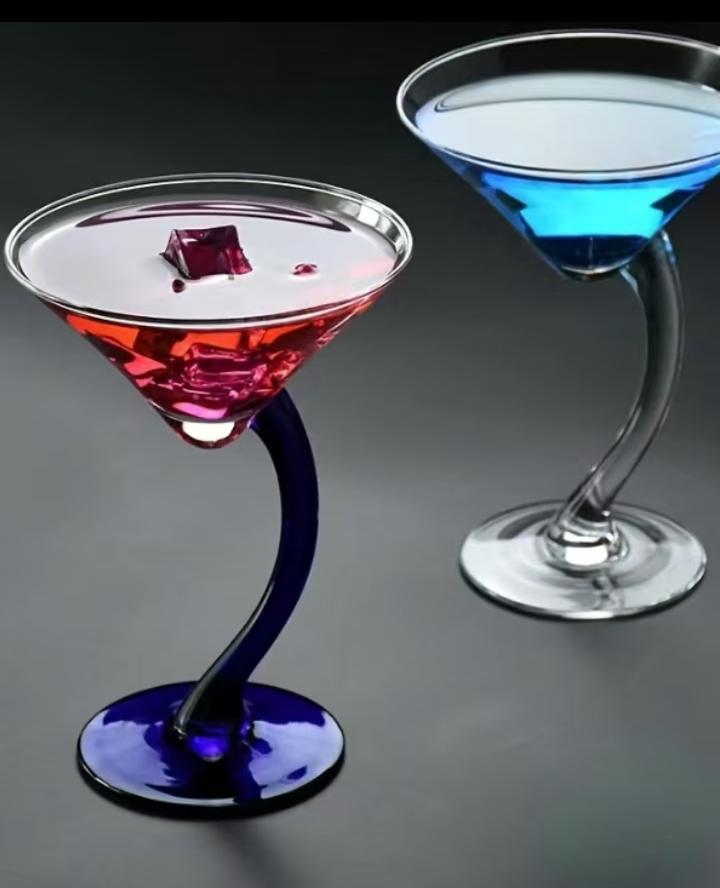
The champagne glass has long been a fixture of celebration, but its role at the table is evolving. No longer just a vessel for pouring bubbly, the high footed champagne glass is emerging as a key element of the dining experience—one that bridges function, aesthetics, and gastronomy.
The high foot design serves a practical purpose that directly affects taste. By keeping the drinker's hand away from the bowl, the tall stem prevents heat transfer from the palm to the wine, ensuring the champagne stays chilled throughout the meal. This might seem like a minor detail, but for a wine served between 6°C and 10°C, every degree matters.
Beyond temperature control, the shape of the glass itself determines how champagne is experienced. The traditional flute, with its narrow opening, has been the default for decades—celebrated for its ability to preserve bubbles and its photogenic silhouette. Yet sommeliers increasingly argue that the flute limits aromatic expression. “A flute traps the wine,” explains beverage director Victoria James. “You get carbonation, yes, but you lose so much of the actual personality of the producer: the chalkiness, the brioche, the orchard fruit, the smoke, the salt”. A high footed champagne glass with a gently curved bowl and tapered rim preserves effervescence while allowing aromas to develop, making it better suited to food pairings—from oysters to fried chicken.
The category of wine glasses has also evolved to accommodate this shift. As champagne gains recognition as a fine wine rather than just a celebratory drink, glassmakers are designing champagne-specific wine glasses that mirror the shape of white wine stems. These wider bowls let the wine “open,” revealing texture and minerality that flutes simply suppress.
The market reflects this growing appreciation. The global stemware market—which includes wine glasses, champagne glasses, and cocktail glasses—was valued at $4.37 billion in 2024 and is projected to reach $6.01 billion by 2030. Consumers are becoming more discerning, associating quality glassware with sophistication and elevated social status.
The high footed champagne glass is no longer just a drinking tool. It is a statement piece, a conversation starter, and a practical instrument that transforms how champagne tastes and feels—proving that the right glass can turn a simple toast into a memorable dining moment.